
Introduction
Parrots aren't just pretty pets their health depends on what they eat every day. A balanced diet keeps them energetic, helps them live longer, and can even prevent mood swings or bad habits. Many people believe parrots can thrive on only seeds or fruit, but that's a big mistake.
Parrots need a mix of foods tailored to their species and lifestyle. The right nutrition isn't just about filling a bowl; it's about helping your bird feel its best, inside and out. Get the facts you need to make confident, informed choices for your feathered friend.
Understanding Parrot Nutritional Needs
Parrots need more than just a handful of seeds or some chopped apple. Their diets should provide a balance of nutrients to fuel their minds and bodies. Just like us, these birds need the right mix to stay healthy, active, and bright-feathered. Getting their food right can mean fewer health scares and a happier life for your bird.
Essential Nutrients for Parrots: List and Describe the Role
A parrot’s body relies on a steady supply of key nutrients. Each plays a different role in building strong bones, shiny feathers, and a sharp mind. Here’s what every parrot diet should cover:
- Proteins
Proteins help with muscle growth, cell repair, and healthy plumage. Parrots get proteins from sources like legumes, cooked eggs, and some commercial pellets. Without enough protein, they can feel sluggish or lose feathers. - Fats
Fats supply energy and keep feathers glossy. Healthy fats come from nuts (like almonds and walnuts), seeds (in moderation), and certain oils. But watch the amounts—a little goes a long way. Too much fat, especially from seed-heavy diets, leads to weight gain. - Carbohydrates
Carbs are a main energy source. Birds get them from grains, veggies, fruits, and a bit from quality pellets. Fresh squash, corn, and carrots are favorite carb-rich options for most parrots. - Vitamins
- Vitamin A: Critical for eyesight, immune health, and feather condition. Carrots, sweet potatoes, and leafy greens are packed with it.
- Vitamin D: Needed so parrots can absorb calcium. Birds usually make vitamin D from sunlight, so if your parrot lives indoors, a supplement might help.
- Vitamin E: Supports muscles and healthy skin. Nuts, seeds, and leafy greens provide plenty of E.
- Vitamin K: Helps blood clot properly. You’ll find it in broccoli, spinach, and other greens.
- B-complex Vitamins: Each B vitamin manages tasks, from brain health to metabolism. Whole grains, eggs, and leafy greens add these to the diet.
- Minerals (especially Calcium)
Calcium keeps bones and beaks strong and helps with nerve function. Dark greens, almonds, and cuttlebone are great sources. An imbalance can cause weak bones or egg-binding in females.
Species-Specific Dietary Considerations

Photo by rümeysa yalçın
Not all parrots are the same. Their size, metabolism, and even where they come from can change what they need at mealtimes. Here’s a closer look at some popular species:
- Macaws:
These large birds burn lots of energy. They need more healthy fats, so a small handful of nuts daily fits their needs. Macaws also love fresh fruits and bigger chunks of crunchy veggies. - African Greys:
Known for their smarts, African greys need extra calcium for strong bones and beaks. Boost their diet with dark leafy greens and mineral-rich foods. They’re prone to vitamin A shortages, so include plenty of orange veggies. - Cockatoos:
Cockatoos do best with lower-fat diets compared to macaws. They tend to gain weight easily, so offer more vegetables than seeds or nuts. Watch out for sunflower seeds, which are high in fat. - Budgerigars (Budgies):
Small but active, budgies burn less energy. A diet heavy in seeds will cause health troubles. Mix things up with pellets, chopped greens, and just a sprinkle of millet or canary grass seed for treats.
Matching your parrot’s food to its species and lifestyle gives your feathered friend the best shot at a long, lively life. Take time to watch what your bird likes, and change things up so they get a bit of everything.
Components of a Healthy Parrot Diet
Building a healthy diet for your parrot isn't just about avoiding the bad stuff—it's about giving your bird a daily menu that covers all bases. Each component brings something important to the table. From balanced pellets to crunchy veggies and tasty fruits, every bite counts toward your parrot's well-being. Here's what you need to know to put together the right mix at mealtime.
Pellets: The Staple of Modern Parrot Diets
Pellets are the backbone of a modern parrot diet for good reason. Unlike seed mixes, quality pellets are formulated to deliver consistent nutrition in every bite. They contain vitamins, minerals, and the proper protein and fat levels your bird needs each day. This makes it easier to avoid the highs and lows that come with seed-heavy diets.
Advantages of pellets:
- Balanced nutrition: No more guessing if your parrot is choosing only its favorite seeds. Pellets offer a reliable base.
- Reduces picky eating: Every pellet looks and tastes the same, so selective eaters still get their nutrients.
- Convenient to store and use: Pellets stay fresh longer than most produce and are easy to scoop out on busy mornings.
How to choose quality pellets:
- Look at the ingredient list: Good pellets have recognizable, real-food ingredients, not just fillers like corn or sugar.
- Avoid artificial colors and flavors: These aren't needed and can be unhealthy over the long term.
- Match the pellet to your species: Some brands offer species-specific formulas for better results.
Common concerns:
- Boredom: Parrots sometimes get bored with pellets. Mix in other foods for variety and enrichment.
- Pellets aren’t the only food: Even with high-quality pellets, your bird needs fresh produce and treats for a well-rounded diet.
Fresh Fruits and Vegetables
Nothing beats the taste and nutrition of fresh fruits and veggies for parrots. These foods power up your parrot’s immune system, provide hydration, and make mealtimes more engaging. Fresh produce is also rich in key vitamins and minerals, including vitamin A, which many parrots don’t get enough of.
Recommended fruits and veggies
- Veggies: Bell peppers, carrots, broccoli, squash, leafy greens (like kale or spinach), green beans.
- Fruits (in moderation): Apples, pears, berries, mango, papaya, oranges.
Tip: Remove any seeds or pits from fruits—they can be toxic, especially apple seeds and cherry pits.
Preparation tips
- Wash thoroughly to remove pesticides and dirt.
- Chop or grate into parrot-sized pieces.
- Offer variety every week to keep your bird interested and provide a broader nutrient mix.
- Serve raw or lightly steamed. Avoid butter, oil, or salt.
Nutritional contributions
- Hydration: Fruits and many veggies have high water content.
- Antioxidants: Brightly colored produce fights cell damage.
- Fiber: Supports digestion and gut health.
Nuts, Seeds, and Grains
Nuts, seeds, and grains are like the dessert of the parrot diet—delicious, but best in moderation. While they offer protein, healthy fats, and some minerals, they’re also calorie-heavy. Use them as treats and enrichment tools rather than main courses.
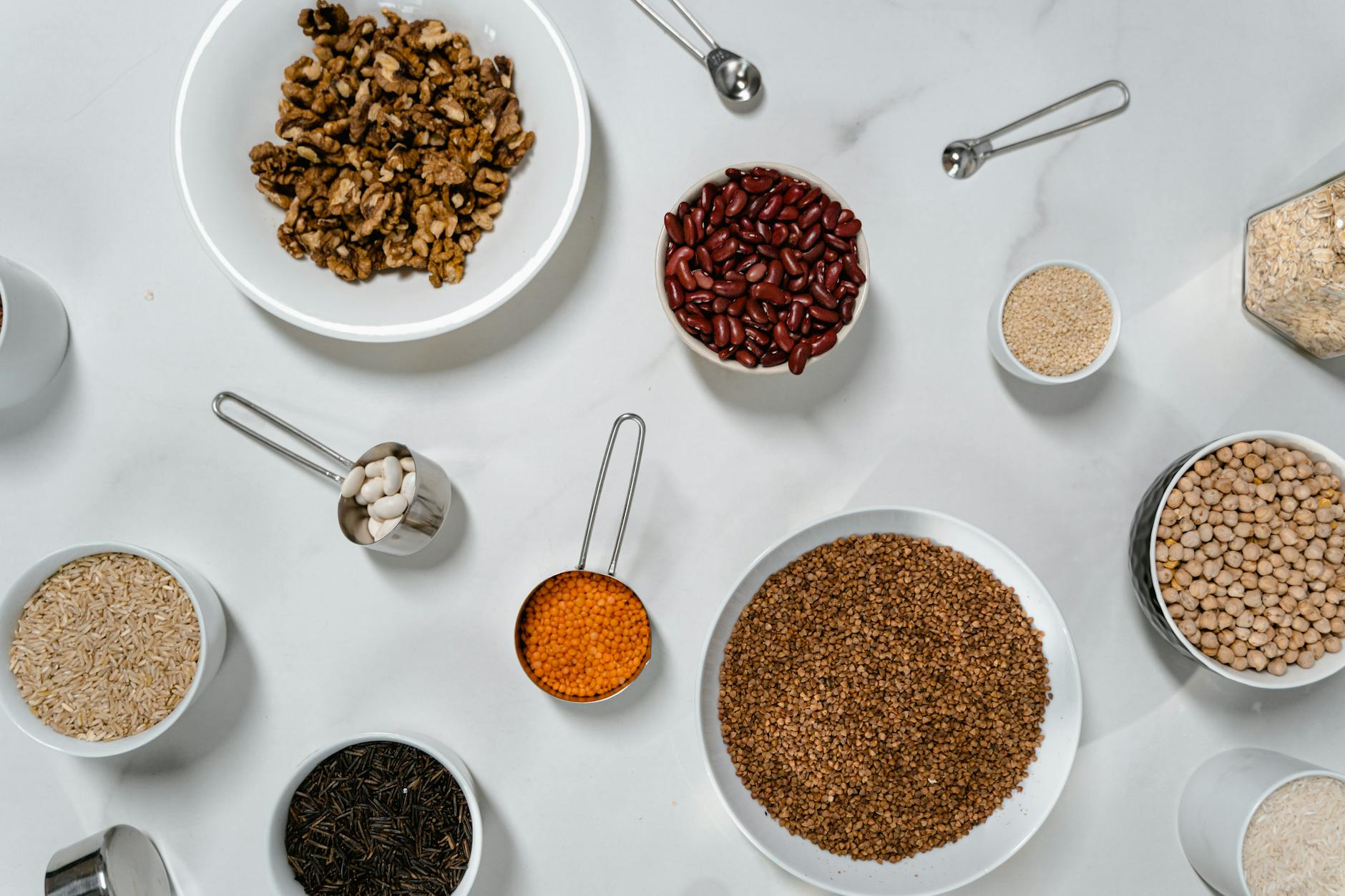
Photo by MART PRODUCTION
Best uses for nuts and seeds:
- Treats and training rewards: Unsalted almonds, walnuts, sunflower seeds (sparingly), pistachios.
- Foraging toys: Hide a nut or seed in a toy—your parrot gets mental stimulation and a tasty prize.
Grains to offer:
- Cooked whole grains: Brown rice, quinoa, barley, millet (limit millet for small birds).
- Sprouted grains: Offer extra nutrients and a fun texture.
Practice moderation:
- Limit seeds: Most common seed mixes are too high in fat, leading to obesity and liver problems if fed as the main diet.
- Balance fats: Macaws need more nuts than cockatoos or budgies. Adjust servings based on your parrot’s needs.
Foods to Avoid for Parrots
Some foods are just too risky for parrots. Their digestive systems handle certain foods differently than ours—and some treats from our kitchens can be downright dangerous. Keeping these off your parrot’s plate is as important as offering healthy choices.
Toxic or harmful foods:
- Avocado: Contains persin, which can cause heart and respiratory failure.
- Chocolate and caffeine: Both affect the nervous system and can be fatal, even in small amounts.
- Alcohol: Highly toxic—never let your bird take a sip.
- Onions and garlic: Can damage red blood cells, leading to anemia.
- Salty or fatty snacks: Chips, crackers, and fried foods stress the liver and kidneys.
- Fruit pits and apple seeds: Contain cyanide compounds that are toxic to birds.
- Moldy or spoiled food: Can cause digestive and neurological problems.
Reasons to keep these out of reach:
- Birds are small: Even tiny amounts can cause big problems.
- Different metabolisms: Parrots' bodies don’t detoxify like ours, making some foods especially risky.
- Prevention is easier than treatment: Avoiding these foods helps you sidestep emergency vet visits and worry.
A safe feeding routine starts with knowing what to keep in—and out—of the food dish. Stick to these simple rules, and your parrot will thank you with years of happiness and health.