
Parrots bring joy, color, and plenty of personality to any home, but they need more than just food and a cage to thrive. Good care keeps them happy, playful, and healthy for years. Knowing the basics from nutrition and the right living space to social time and regular vet visits makes all the difference.
This guide covers everything you need, step by step. You'll learn what to feed your parrot, how to create a safe, comfortable environment, daily care habits, signs of illness to watch for, and simple ways to build a strong bond. If you want your parrot to live its best life, you’re in the right place.
Understanding Parrots: Species, Lifespan, and Personality Traits
Parrots aren’t just pets; they’re family members with quirks and vibrant personalities. Before bringing one home, it’s smart to know what makes each parrot unique. Some live as long as people, while others fit right into busy households with a more playful nature. Choosing the right species and understanding their needs helps set everyone up for years of friendship.
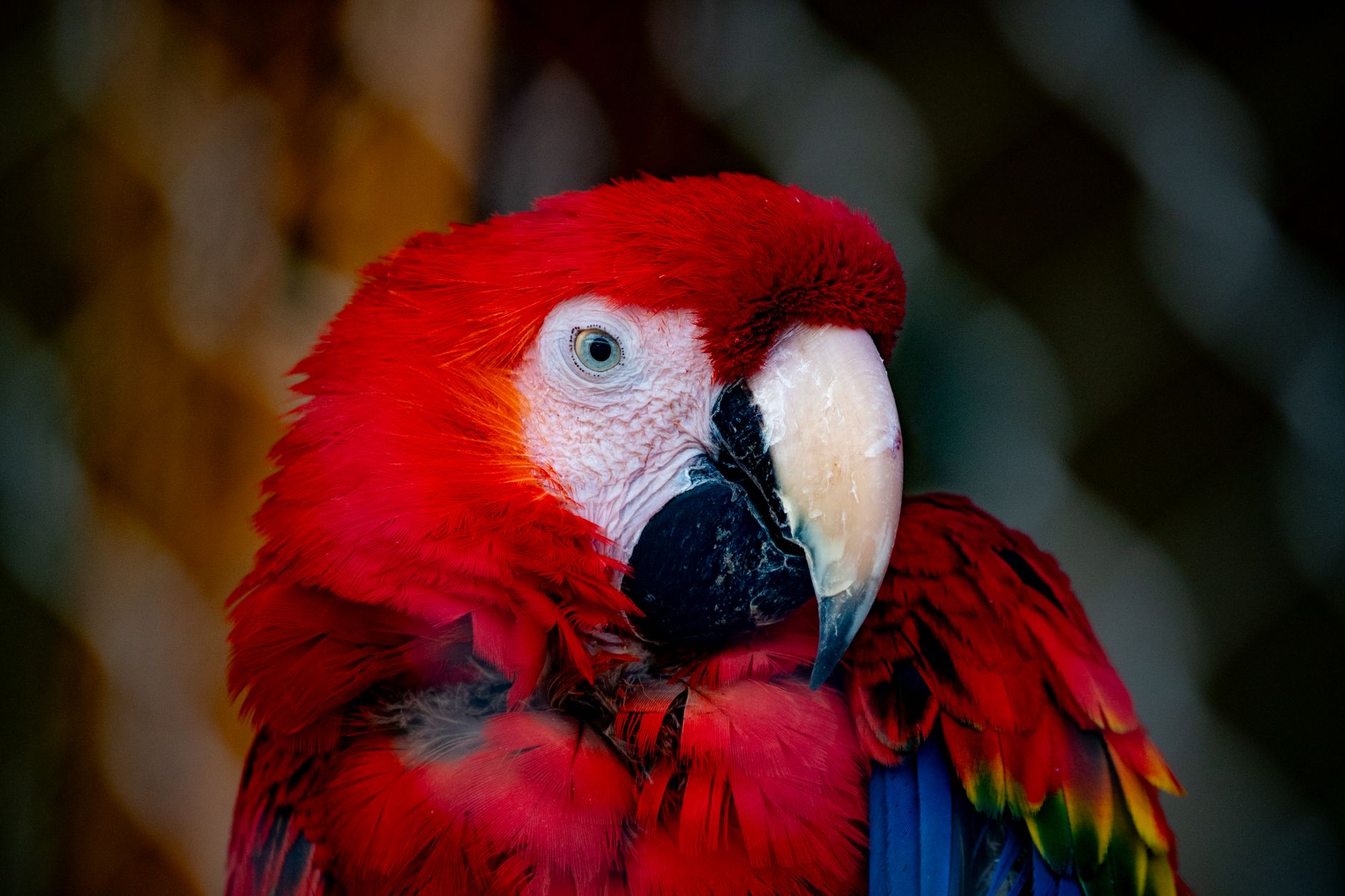
Photo by Marian Havenga
Common Pet Parrot Species
Parrots come in all sizes and colors, but a few species stand out as popular companions. Each species brings something different to the table, from their social tendencies to their noise level.
Here are some favorites seen in homes:
- Budgerigars (Budgies): Small, active, and quick to bond. Budgies are talkative and thrive in pairs.
- Cockatiels: Known for their friendly crests and love of head scratches. Cockatiels enjoy whistling and gentle play.
- African Grey Parrots: Famous for impressive talking skills and intelligence. They need mental challenges and daily social time.
- Amazon Parrots: Outgoing and full of energy. Amazons enjoy being the center of attention and love music.
- Conures: Playful and cuddly. Conures like to snuggle and often clown around to get your attention.
- Macaws: Big personalities in a big body. Macaws are bold, strong, and often seek out family activity.
Lifespan Expectations
Parrots aren’t a short-term commitment; some will be with you for decades. Lifespan varies depending on the species:
- Budgies: 5–10 years
- Cockatiels: 10–15 years
- Conures: 15–30 years
- Amazon Parrots: 25–50 years
- African Greys: 40–60 years
- Macaws: 50+ years, sometimes outliving their owners
When thinking about adding a parrot to your life, consider your plans for the future. Some birds may need a second or even third home.
Unique Personality Traits
No two parrots are exactly alike, but you can expect a few common personality markers with each breed. These traits affect everything from cage setup to daily routines.
- Social Butterflies: Most parrots want to be near their people. They thrive with daily interaction and play.
- Curious Minds: Chewing, exploring, and solving puzzles are favorite activities. Bored birds can get into trouble fast.
- Morning Singers: Many species get loud at sunrise. Noise levels vary—budgies chatter, while macaws can be downright booming.
- Sensitive Souls: Parrots pick up on emotions and household changes. Routine helps them feel safe and confident.
- Bond Builders: Parrots form strong attachments. Trust is earned over time through patience, routine, and respect.
Their personalities call for tailored care. Outgoing types may thrive in lively homes, while quieter birds might suit a calm family or single owner looking for a close friend.
Choosing a parrot means matching their needs and traits to your lifestyle. This first step is the start of a rewarding journey that can last a lifetime.
Creating the Ideal Home Environment
Parrots thrive when they feel safe, comfortable, and entertained. Building the right home environment goes far beyond buying a cage and setting it in a corner. Your choices shape how healthy, secure, and happy your parrot becomes. Start with the basics: pick the right cage and accessories, place everything in a safe area, and create an enriching space full of activity and social time.
Choosing the Right Cage and Accessories
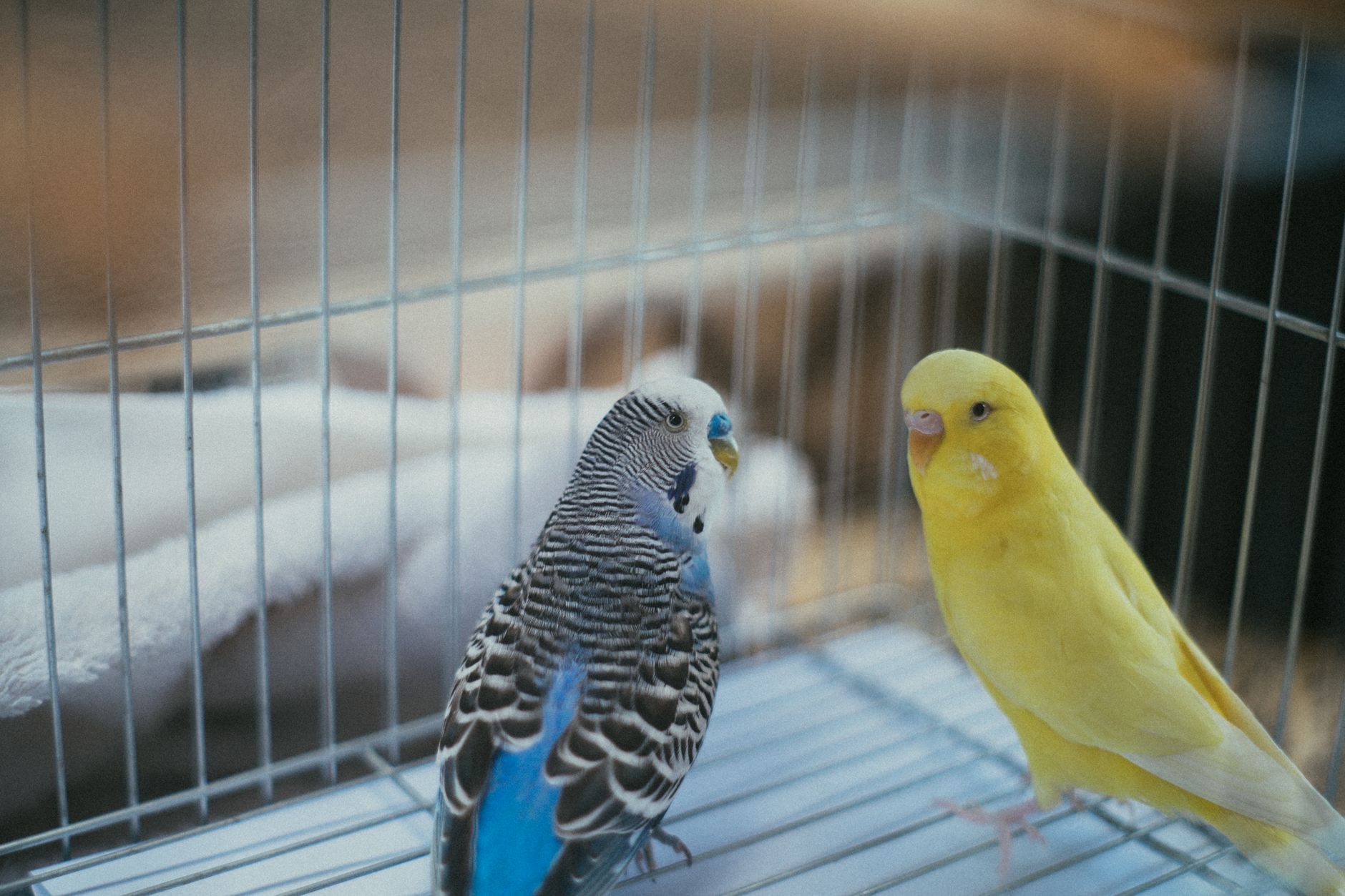
Photo by Murilo Folgosi
Your parrot’s cage is its home base, its safe retreat, and its playground. Size and layout matter more than you think. Bigger is always better—a cramped cage can lead to stress and health issues. Make sure your bird can fully stretch its wings, hop from perch to perch, and even fly short distances if possible.
Key features for cage selection:
- Spacing: Bars should be close enough so your parrot won’t get stuck, but roomy for good airflow.
- Material: Stainless steel is the top choice; it’s strong, safe, and easy to clean.
- Shape: Avoid round cages, which can make birds anxious. Go for square or rectangular styles.
- Entry doors: Wide doors let you interact more, making regular care easier.
Must-have accessories include:
- Perches of different sizes and textures to help exercise your parrot’s feet. Natural wood is best.
- Food and water bowls that are simple to remove and clean.
- Swings and ladders for activity and fun.
- A cuttlebone or mineral block for beak health.
Your parrot’s cage should be more than just a holding pen—it’s their territory. Every choice, from perch placement to toy rotation, affects their quality of life.
Safe Placement and Maintaining Cleanliness
Where you place the cage affects your bird’s safety and comfort. Choose a spot where your parrot can see the action of family life, but stay clear from drafty doors, windows, and the kitchen. Kitchens can pose risks due to fumes, temperature swings, and noisy appliances. Avoid direct sunlight, but make sure natural light is available.
Tips for safe cage placement:
- Set the cage at eye-level, so your parrot feels included but not exposed.
- Keep it away from busy walkways to reduce stress.
- Avoid spots with sudden temperature changes.
A clean cage means a healthy parrot. Set a regular schedule for cleaning food bowls, perches, and trays. Change the cage liner daily, and do a full wash of the cage, perches, and toys weekly. This helps prevent bacteria and keeps your home smelling fresh.
Cleaning routine:
- Remove uneaten food and waste every day.
- Wash dishes and toys with warm, soapy water.
- Replace cage liners or paper daily.
- Scrub the cage and all accessories each week.
Good hygiene habits keep your parrot healthy and the house peaceful.
Environmental Enrichment, Toys, and Social Interaction
Parrots are smart, busy creatures who need much more than a quiet perch. Boredom can lead to problem behaviors—chewing, screaming, or plucking feathers. Think of enrichment as your bird’s mental workout and creative playtime.
Ways to provide daily enrichment:
- Rotate toys often to keep things interesting.
- Offer toys made for chewing, shredding, and problem-solving.
- Add safe branches, swings, or climbing toys to mimic nature.
- Use foraging toys to turn mealtime into a fun puzzle.
Social interaction is just as important. Talk to your parrot, share time outside the cage, and let them watch and interact with the family. Some birds love music, whistling games, or learning tricks. They notice when you pay attention and reward your effort with more confident, playful behavior.
A stimulating environment is key to a happy, well-adjusted parrot. Fresh toys, daily chats, and time outside the cage create strong bonds and help your bird shine.